How AI Reads Your Receipts Better Than You Do
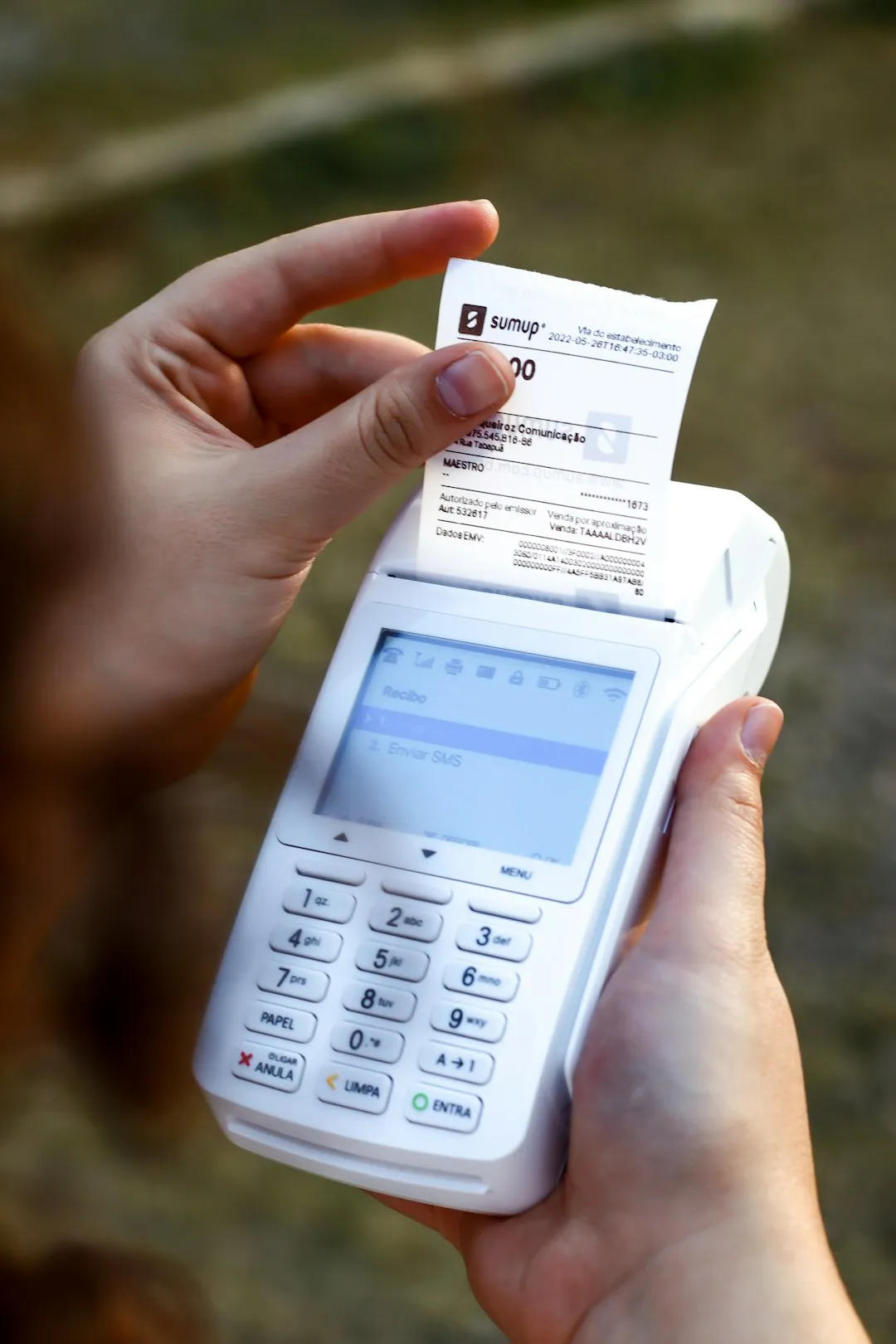
A crumpled grocery receipt from last Tuesday tells you more about your financial habits than a month of checking your bank balance. The problem is that you’d need to flatten it out, squint at the faded thermal print, manually type 23 line items into a spreadsheet, and repeat that process for every purchase you make. Nobody does this. Which is exactly why most people have no idea where their money goes at the item level.
AI receipt scanning changes that math. Point your phone camera at a receipt, and optical character recognition (OCR) paired with machine learning extracts the merchant name, date, individual items, prices, tax, and total – typically in under two seconds. The accuracy rate on modern systems sits around 95-98% for clearly printed receipts, and the technology keeps improving on wrinkled, faded, or partially torn paper.
But extraction is just the starting point.
What happens after the scan
Raw receipt data – a list of items, prices, and a store name – isn’t useful by itself. The value comes from what happens next.
Categorization is the first layer. AI models trained on millions of transactions can sort a line item like “ORG WHOLE MLK 1GAL” into “Groceries > Dairy” without you lifting a finger. This matters because manual categorization is the step where most people abandon expense tracking entirely. A 2023 study from the Federal Reserve Bank of Atlanta found that 67% of Americans who tried budgeting apps quit within the first 90 days. The number one reason cited? Too much manual work.
After categorization comes pattern detection. This is where AI pulls ahead of anything you could do with a spreadsheet. It compares your spending across weeks and months, identifies recurring purchases you might not notice, and flags anomalies. You bought premium olive oil three times this month when you usually buy it once. Your Thursday takeout spending is 40% higher than other weekdays. Your subscription to a streaming service increased by $3 without any notification.
These aren’t hypothetical examples. They’re the kind of patterns that hide in plain sight when you’re only looking at credit card statements showing lump totals like “$47.82 at Whole Foods.”
Line items tell a different story than totals
Your bank statement says you spent $312 at grocery stores last month. That number is technically accurate and practically useless. It doesn’t tell you whether you spent that money on fresh produce or frozen pizza, staples or impulse buys.
Item-level data changes the picture. When AI parses every line on a receipt, it can show you that $89 of that $312 went to snacks and beverages – things you grabbed near the checkout. Or that you’re buying the same toiletries at two different stores at two different prices. Or that your per-unit cost on chicken breast varies by $2.50 depending on which day you shop.
This granularity matters because cutting spending isn’t about deprivation. It’s about making informed swaps. Switching from name-brand cereal to store-brand saves $1.80 per box. Over 52 weeks, that’s $93.60 from a single substitution you’d barely notice. Multiply that across a dozen similar items, and you’re looking at $500-$1,000 a year in savings without changing what you eat.
For a deeper look at why individual items matter more than receipt totals, see the case for item-level tracking.
The patterns AI catches that you won’t
Human brains are bad at tracking slow changes. Behavioral economists call this the “boiling frog” problem in personal finance – expenses creep up by small amounts, and you don’t notice until the cumulative effect hits.
AI doesn’t have this blind spot. It can flag:
- Price inflation on specific items. That bag of coffee beans you buy weekly went from $11.99 to $13.49 over six months. That’s a 12.5% increase – well above general inflation.
- Frequency drift. You used to order delivery once a week. Over the past two months, it’s crept to 2.3 times per week. That’s an extra $140-$180 per month, depending on your average order size.
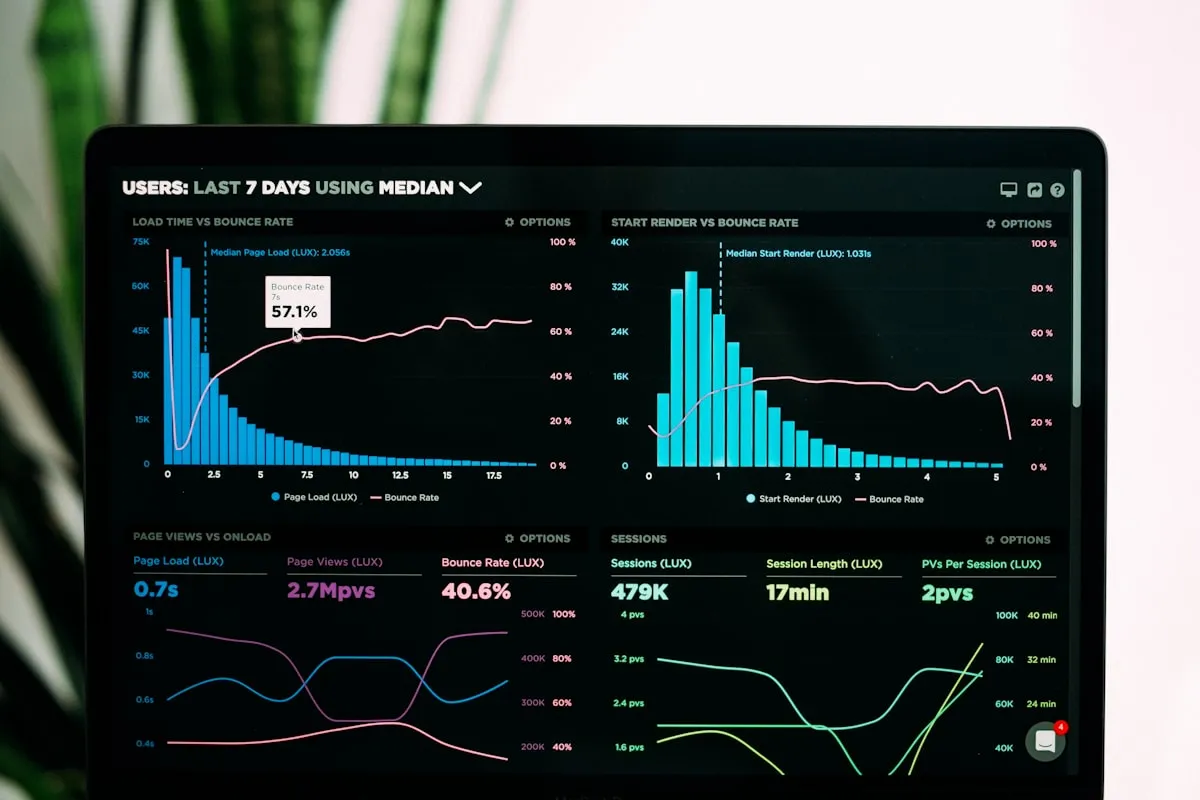
- Category imbalance. Dining out consuming 35% of your food budget when you planned for 20% isn’t obvious when you’re living it. A chart showing the trend over eight weeks makes it unmissable.
- Duplicate subscriptions. Two music streaming services. A forgotten trial that converted to paid. A gym membership at a place you haven’t visited in 11 weeks.
The compounding effect of these small leaks is significant. The average American household spends roughly $18,000 per year on discretionary purchases, according to the Bureau of Labor Statistics Consumer Expenditure Survey. Even a 10% efficiency gain – the kind you get from spotting and fixing a few of these patterns – frees up $1,800 annually.
That’s a solid emergency fund start, or a meaningful dent in student loan payments.
Turning data into decisions
Spotting a pattern is one thing. Acting on it is another.
The most useful AI spending tools go beyond “you spent $X on Y” and connect the dots between your behavior and specific opportunities. If your grocery spending spikes every Sunday, that might correlate with shopping while hungry (a well-documented phenomenon – shoppers buy 64% more calories on an empty stomach, per a 2013 study in JAMA Internal Medicine). The fix isn’t willpower. It’s eating lunch before you shop.
Similarly, if your data shows you spend 25% less at stores where you bring a list, the recommendation writes itself. Not “try to spend less” – that’s useless advice. Instead: “Your average receipt drops from $67 to $51 when you shop with a list. That’s $832 in annual savings.”
The difference between generic budgeting tips and data-driven insights is specificity. Generic advice says “eat out less.” Your data says “your Tuesday lunch habit at the Thai place costs $16.40 per visit, totaling $68 per month. Bringing lunch twice a week would save $34.”
For more on turning spending data into concrete money decisions, check out using your spending insights to save.
What to look for in AI receipt tools
Not all scanning apps are equal. The features that matter most:
Item-level extraction – apps that only capture the total are giving you the same data your bank already provides. The whole point is getting deeper than that.
Automatic categorization that learns – the first scan might mislabel your local butcher as “general retail.” A good system corrects over time based on your feedback and adjusts for future scans.
Multi-currency handling – if you shop online from international retailers or travel with any regularity, your spending data is incomplete without currency conversion built in.
Visual trend reporting – raw numbers in a table don’t reveal patterns. Charts showing week-over-week and month-over-month trends do. Your brain processes visual data 60,000 times faster than text, per research from 3M Corporation.
Export and portability – your data should be yours. CSV export, PDF summaries, and the ability to share reports with an accountant or partner keeps you from being locked into one platform.
How Receiptix handles this
Receiptix covers the features above and adds a few that matter for people who don’t want expense tracking to become a second job.
- AI receipt scanning extracts line items, not just totals. Point your camera, and the data populates automatically with smart categorization.
- Voice input lets you log cash purchases or quick expenses by speaking – useful when you’re walking out of a store and don’t want to type.
- Spending charts break down your categories visually, so you can spot where your money concentrates without reading through transaction lists.
- Multi-currency tracking consolidates international purchases into your home currency for a complete spending picture.
The app runs on a freemium model – your first expenses, basic charts, and PDF summaries are free. Unlimited expenses, custom tags, and detailed reports are part of the premium tier.
The bottom line
Your receipts contain more financial intelligence than your bank statements, credit card apps, or gut feelings about where the money went. AI closes the gap between “data you technically have” and “insights you can act on.” If you haven’t pointed a camera at a receipt yet, Receiptix is a low-friction place to start – and you might be surprised by what your spending data has been trying to tell you.
Note: This blog post is for informational purposes only and does not constitute financial advice. Always consult with a financial advisor for personalized guidance.