Multi-Currency Travel: Stop Losing Money Abroad
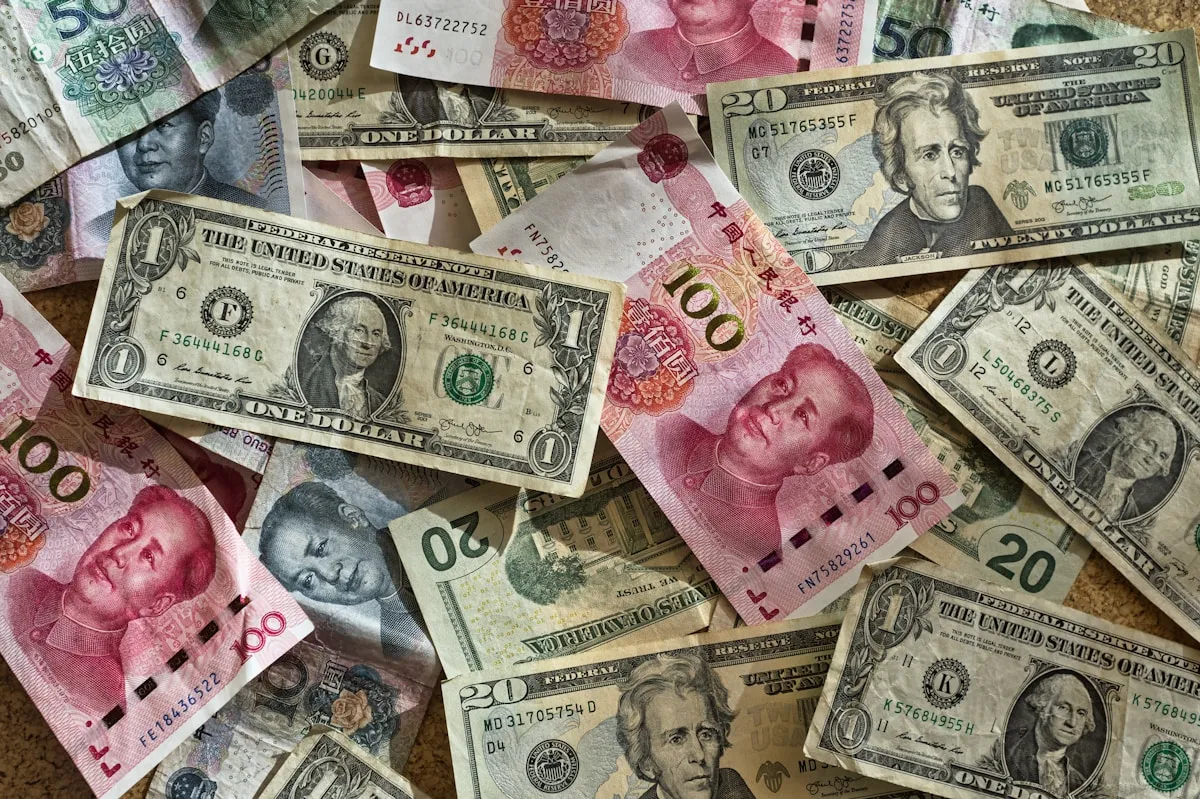
Last summer a friend flew back from two weeks in Southeast Asia convinced she’d stayed under budget. She’d tracked nothing, converted prices in her head using rough guesses, and paid for everything with her regular debit card. When her bank statement arrived, the trip had cost $1,400 more than she thought. Dynamic currency conversion fees, ATM surcharges, and mental math errors added up to a 38% budget overrun. She’s not unusual. A 2023 Wise survey found that travelers lose an average of 3-6% of their total trip spend to hidden currency conversion costs alone.
Spending in a foreign currency scrambles the instincts you rely on at home. A 450 Thai baht dinner sounds expensive until you realize it’s $12.50. A 15 euro cocktail sounds cheap until you remember that’s $16.30. Your brain can’t toggle between value systems fast enough, and that confusion costs real money.
The conversion tax you don’t see
Banks and card networks build a margin into every foreign transaction. Visa and Mastercard typically add 0.5-1% on top of the interbank exchange rate. Your bank stacks another 1-3% as a foreign transaction fee. Together, that’s 1.5-4% skimmed from every purchase.
ATM withdrawals abroad carry their own costs. Most international ATMs charge a flat fee of $3-7 per withdrawal, and your home bank often adds its own fee on top. Withdraw $100 five times during a trip and you’ve burned $30-70 in fees before you’ve spent anything.
Then there’s dynamic currency conversion (DCC) – the merchant terminal asks if you’d like to pay in your home currency. It sounds helpful. It’s not. DCC rates mark up the exchange by 3-8% compared to letting your card network handle the conversion. That “convenience” on a $200 hotel stay costs you $6-16 extra. Always choose to pay in the local currency when a terminal gives you the option.
How to actually track spending across currencies
The core problem isn’t the fees themselves – it’s that you can’t manage what you don’t measure. When you’re bouncing between cash in Thai baht, card transactions in Vietnamese dong, and a hotel charge in US dollars, your spending picture fragments. Two practical approaches work.
The daily ledger method. Each evening, log every expense in the local currency and its equivalent in your home currency using that day’s actual exchange rate. A ten-minute habit. You’ll spot overspending within 24 hours instead of discovering it three weeks later on your bank statement. The key is consistency – skip one day and you’ll forget half the transactions from the day before.
The category cap method. Before your trip, set daily budgets for food, transport, accommodation, and activities in your home currency. Convert those caps to local currency on arrival. A $50/day food budget in Japan becomes roughly 7,500 yen. When you hit the cap, you stop or consciously decide to borrow from another category. This approach forces trade-offs instead of vague intentions.
Both methods require you to know the actual exchange rate, not the airport booth rate (which marks up 8-12%) or the rate you memorized from planning six months ago. Currency values shift. The euro dropped 4.5% against the dollar between July and October 2022. If you’d budgeted using July’s rate, your October trip would have been artificially cheaper than expected – a lucky break, but luck isn’t a strategy.
Cards, cash, and the payment mix
The right payment setup saves hundreds on a multi-country trip. Here’s what works.
Get a no-foreign-transaction-fee card before you leave. Several banks offer them. The savings compound fast – on $3,000 of spending, avoiding a 3% fee saves you $90.
Use ATMs strategically. Withdraw larger amounts less frequently to minimize flat fees. If your bank charges $5 per international withdrawal, pulling out $300 twice costs $10. Pulling out $50 six times costs $30 for the same amount of cash.
Carry a backup payment method. Card networks go down. Machines reject foreign cards. Rural areas run on cash only. A second card from a different network (one Visa, one Mastercard) and a modest cash reserve prevent the kind of scramble that leads to desperation exchanges at tourist-trap rates.
Avoid airport currency exchanges. The markup at airport counters typically runs 8-15% worse than the mid-market rate. If you need local currency immediately on arrival, withdraw a small amount from an airport ATM instead. Even with ATM fees, you’ll come out ahead.
Multi-country trips multiply the problem
A single-country trip has one exchange rate to track. A backpacking route through four countries has four, plus the mental overhead of remembering price levels in each place. A $5 street meal in Vietnam becomes normal; the same meal in Singapore costs $12 and feels like a bargain compared to the $25 restaurant next door. Context shifts erode your price sensitivity.
There’s also the leftover currency problem. You arrive in Thailand with unused Vietnamese dong, swap it at a booth that takes a 10% cut, and start spending baht you haven’t calibrated to yet. Each border crossing resets your internal price compass.
The travelers who keep their budgets intact on multi-country trips share one habit: they reconcile daily. Not weekly, not “when I get around to it.” Daily. Ten minutes each evening reviewing what they spent, in what currency, converted to home-currency totals. The ones who don’t reconcile routinely overshoot their budgets by 20-40%.
If you’re planning a trip that spans multiple currencies, set a per-country budget in advance. Research the cost of living at each destination using sites like Numbeo or Budget Your Trip. A $75/day budget works in Bali but evaporates before lunch in Tokyo. Build in a 10-15% buffer for each country – not because you plan to overspend, but because foreign transaction costs, tipping customs you didn’t anticipate, and the occasional splurge meal are predictable realities, not budget failures.
Where tracking tools fit in
Manual tracking works, but it demands discipline that competes with the reason you’re traveling – to relax and explore. This is where purpose-built tools earn their place.
Spentrip was designed specifically for travel expense tracking. It organizes expenses by trip, handles automatic currency conversion so you always see your real spend in your home currency, and scans receipts in any language. If you’re doing a multi-country route, Spentrip keeps each destination’s spending separate while giving you the full-trip picture. The voice input feature means you can log a tuk-tuk fare in Bangkok without stopping to type.
For expense tracking beyond travel – covering your day-to-day spending at home alongside trips abroad – Receiptix handles multi-currency tracking as part of its broader toolkit. It supports AI receipt scanning, voice expense entry, spending charts that show where your money actually goes, and PDF summaries you can use for reimbursement or personal records. The free tier covers your first expenses, basic categories, and multi-currency support – enough to test whether structured tracking changes your travel spending habits.
The difference between travelers who come home on budget and those who don’t isn’t willpower or frugality. It’s information. When you know what you’re spending in real time – in your own currency, with fees accounted for – you make better decisions automatically. The 450 baht dinner stays a good deal. The DCC prompt gets declined. The airport exchange booth gets walked past. Set up your tracking system before you pack, and let Receiptix or Spentrip handle the currency math while you handle the exploring.
Note: This blog post is for informational purposes only and does not constitute financial advice. Always consult with a financial advisor for personalized guidance.